Food is More Than What We Eat — It Reflects Who We Are.
Today, we join the world to commemorate World Food Day.
At GACON LTD, every bag of Gum Arabic, Hibiscus Flower, Ginger, and other agro-commodities exported from
🌾 Millet – A Grain of Value Making a Modern Comeback. 🌾
As global demand for nutritious and sustainable grains continues to grow, millet is gaining renewed recognition for its versatility, resilience, and wide range of food and industrial
🌾 SORGHUM 🌾
THE FUTURE OF CLIMATE-SMART GRAINS FOR FOOD SECURITY🌍 Discover the potential of premium sorghum—a climate-resilient grain that supports sustainable supply chains, enhances food security, and meets the evolving needs of global markets.
🤝
🌱 Shelled Peanut, Yellow or Red: A Nut with Global Appeal
Whether you prefer the mild taste of yellow peanuts or the rich, antioxidant-packed red peanuts, we export premium-quality shelled peanuts carefully selected for international markets.
Ideal for roasting,
🌱 Small Seed, Big Global Market
From traditional kitchens to international markets, Sesame Seeds continue to power global demand with their versatility and value.
✅ Food and confectionaries
✅ Sesame oil production
✅ Cosmetics and skincare
✅ Pharmaceutical application
✨🌿 Grains of Paradise: Africa’s Premium Exotic Spice
❓ What is this spice famous for in your country?
💡 Did you know? Grains of Paradise has been valued for centuries for its distinctive flavor, aromatic properties, and diverse industrial
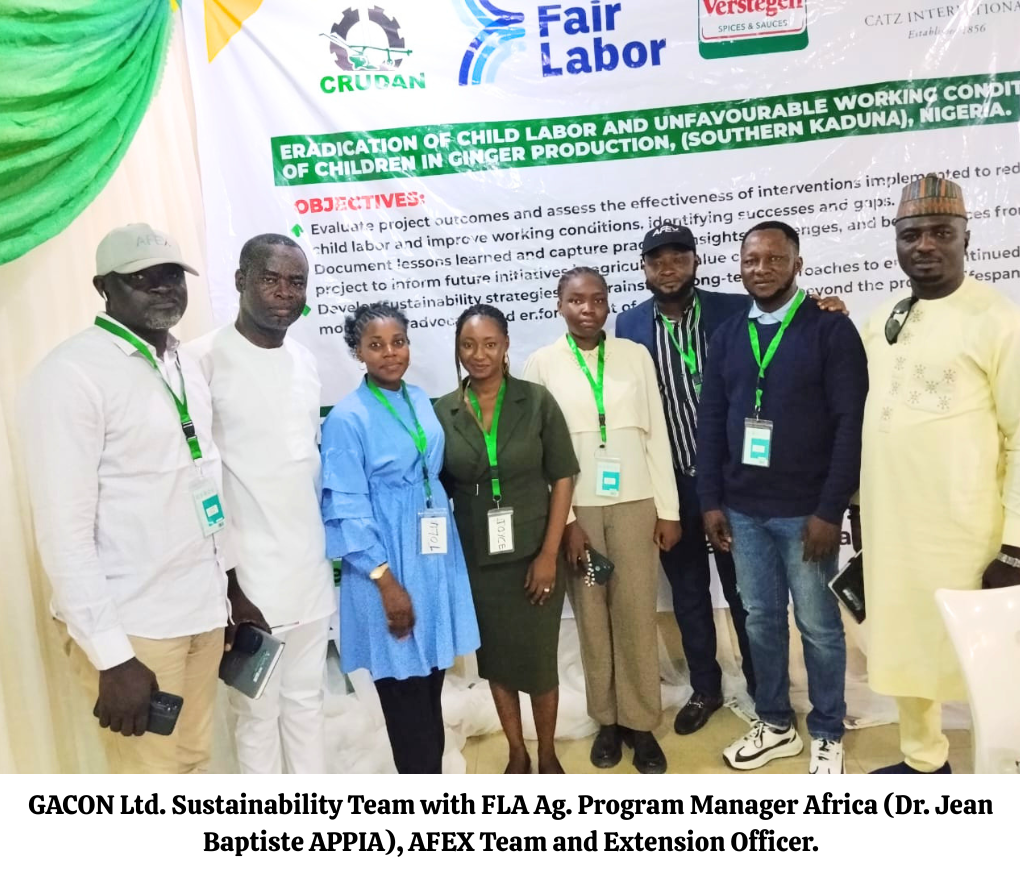
A project may come to an end, but its impact is measured by the change it leaves behind.
GACON Ltd. was honoured to participate as one of the three Nigerian consortium companies at
🌶️ CHILLI PEPPER: More Than Spice; A Global Flavour! 🌍
The key ingredient behind the bold flavors and spicy taste loved across the world 🔥🍲
📦 Partner with us for the consistent export of premium-quality chilli pepper, tailored to
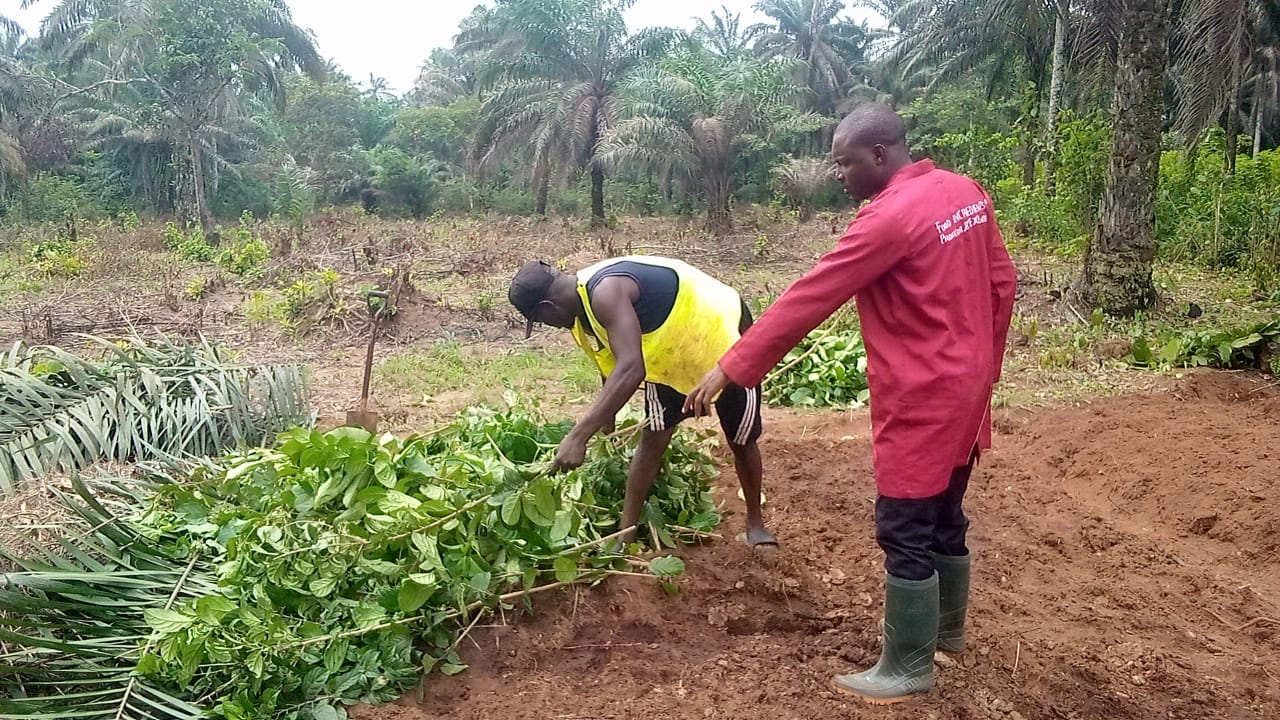
Diversifying Nigeria’s Ginger Production Beyond Kaduna 🌾
For decades, Nigeria’s ginger production has been concentrated in Kaduna. But with rising disease pressure, climate shifts, and growing market demand, this model is no